Producer and APostLab Group Leader
How many APostLab editions have you joined?
I think eight in total: two in Halle, then Budapest, Cagliari, Luxembourg, Ljubljana one online and the last one in Helsinki and Tallinn.
What makes you keep coming back?
It’s simple. First, it’s just one week — unlike other workshops that last two or three. But more importantly, I get to do what I love: mentoring. I also learn and stay updated on new technological advances in post-production. And I get paid for it! What’s not to like? I also love the people involved, I really enjoy working with my group leaders.
Is there a specific moment or mindset that stuck with you?
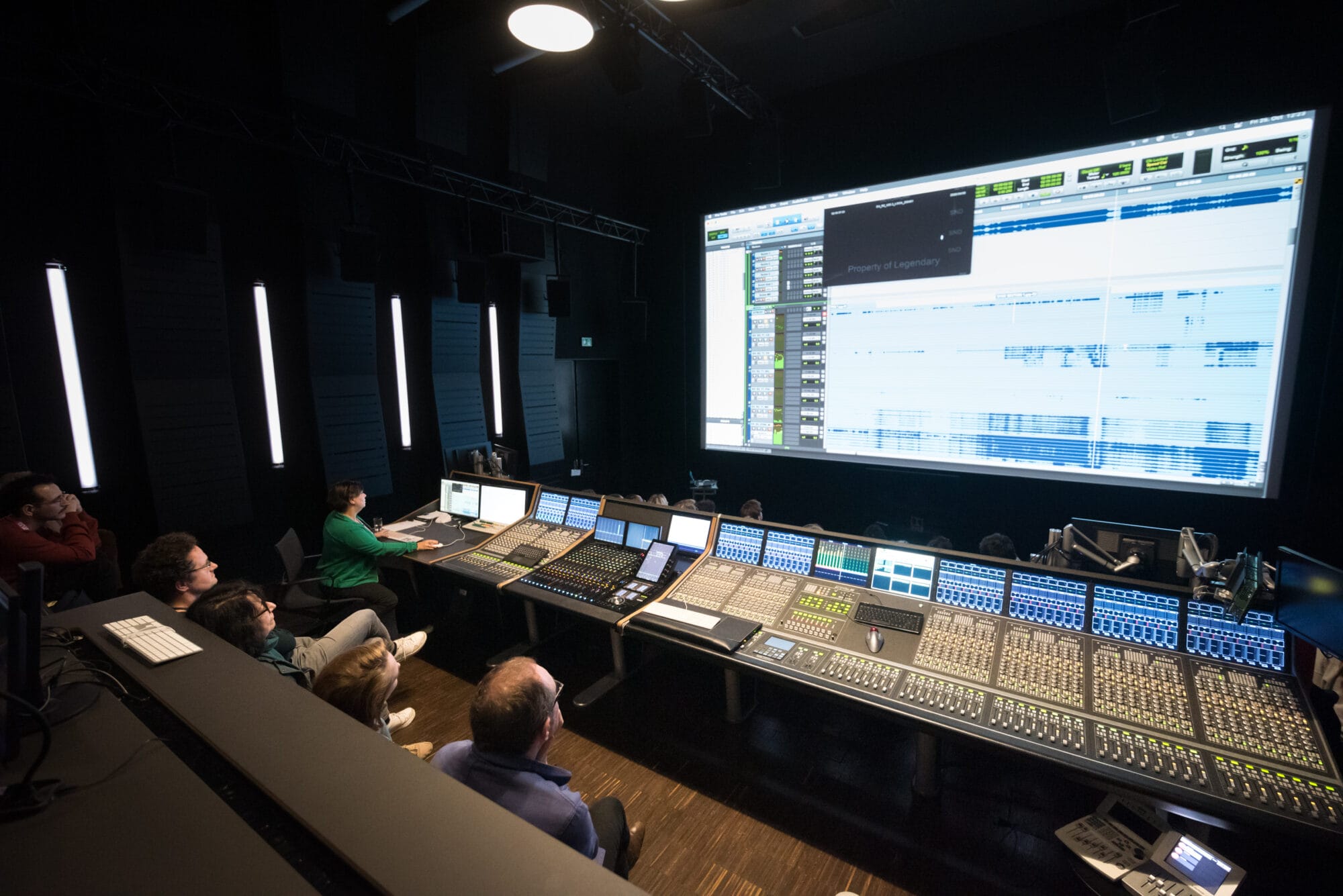
Yes. Guest experts often leave a big impression. One of my favorites was Nina Hartstone. In Halle, she brought excerpts from films she supervised as sound editor and, live in a sound studio, showed how she shaped the editing, mix, and sound design. It was fascinating.
What has been most rewarding about working with participants?
I learn from them. Every film is a prototype (as Katriel Schory always says). No matter how many you’ve done, every new one is unique. I also love seeing people progress, to start at one level and leave with more knowledge and confidence. That gives purpose to the work.
Have you ever ended up working in a production with one of the participants?
Indirectly, yes — some producers I’ve mentored have gone on to apply, and one project I co-produced came through APostLab. But I have a rule: if I mentor a project, they need to go through at least one or two big festivals or co-production markets before I’ll consider working with them. It keeps things fair.
Any memorable participant stories?
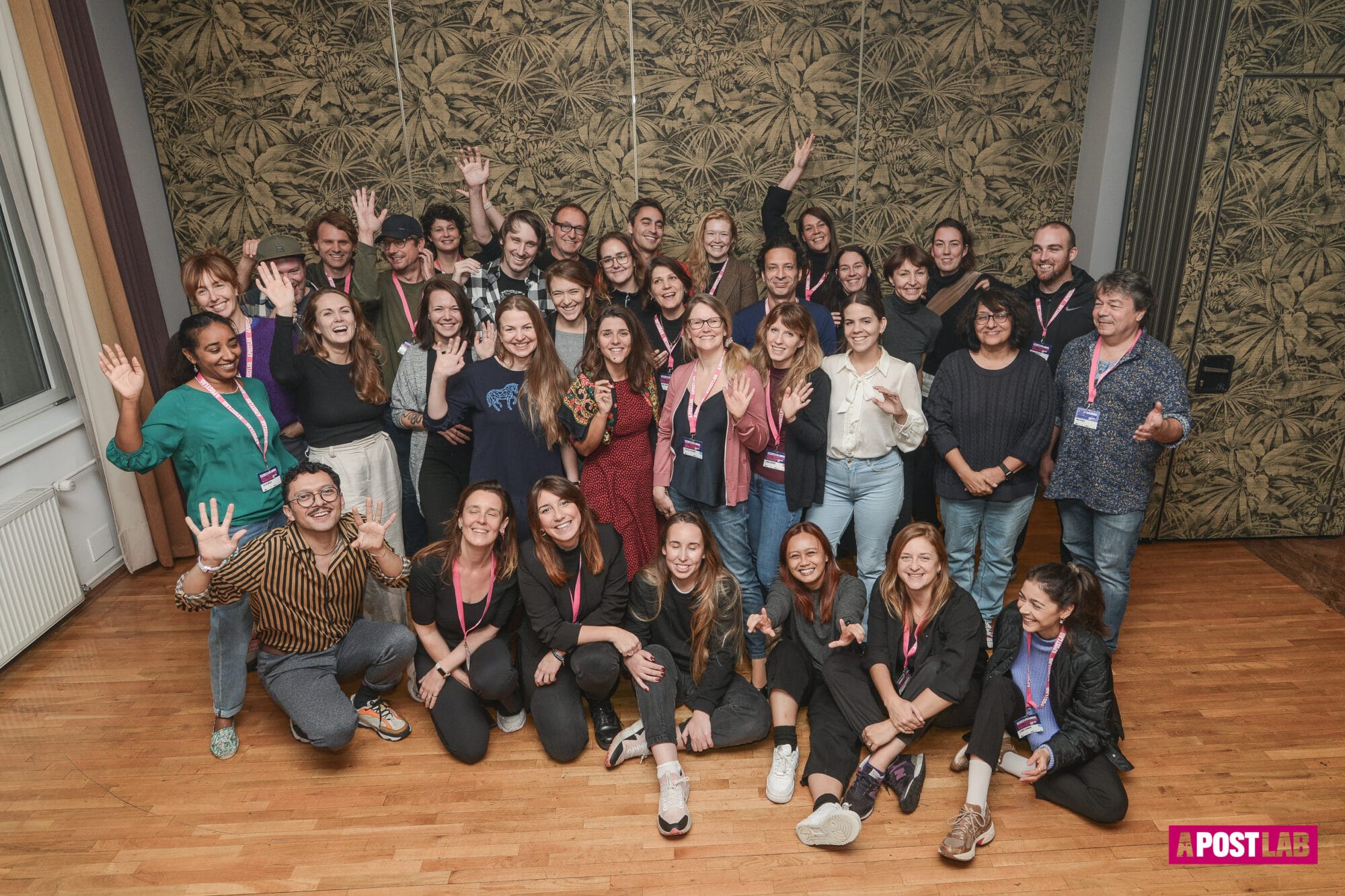
Definitely. From my group, two participants from different teams met and are now co-producing together. That’s the beauty of group work, in just one week, people bond, trust each other, and often stay in touch for years.
What projects are you working on right now?
I am in the middle of financing a German-Korean project and a UK-German one, plus a few films in development and in post.
Any advice for people starting out in post supervision or producing?
Don’t be afraid if you didn’t start early. I’m a late bloomer — I had another career before film. What matters is storytelling. Behind every finance plan, there’s a story. To supervise post, you need to know what the film is about so you can make the right decisions. And you don’t need to be a technical wizard, just understand enough to ask the right questions.
Interview conducted by Monse Higareda Patrón (July, 2025).
