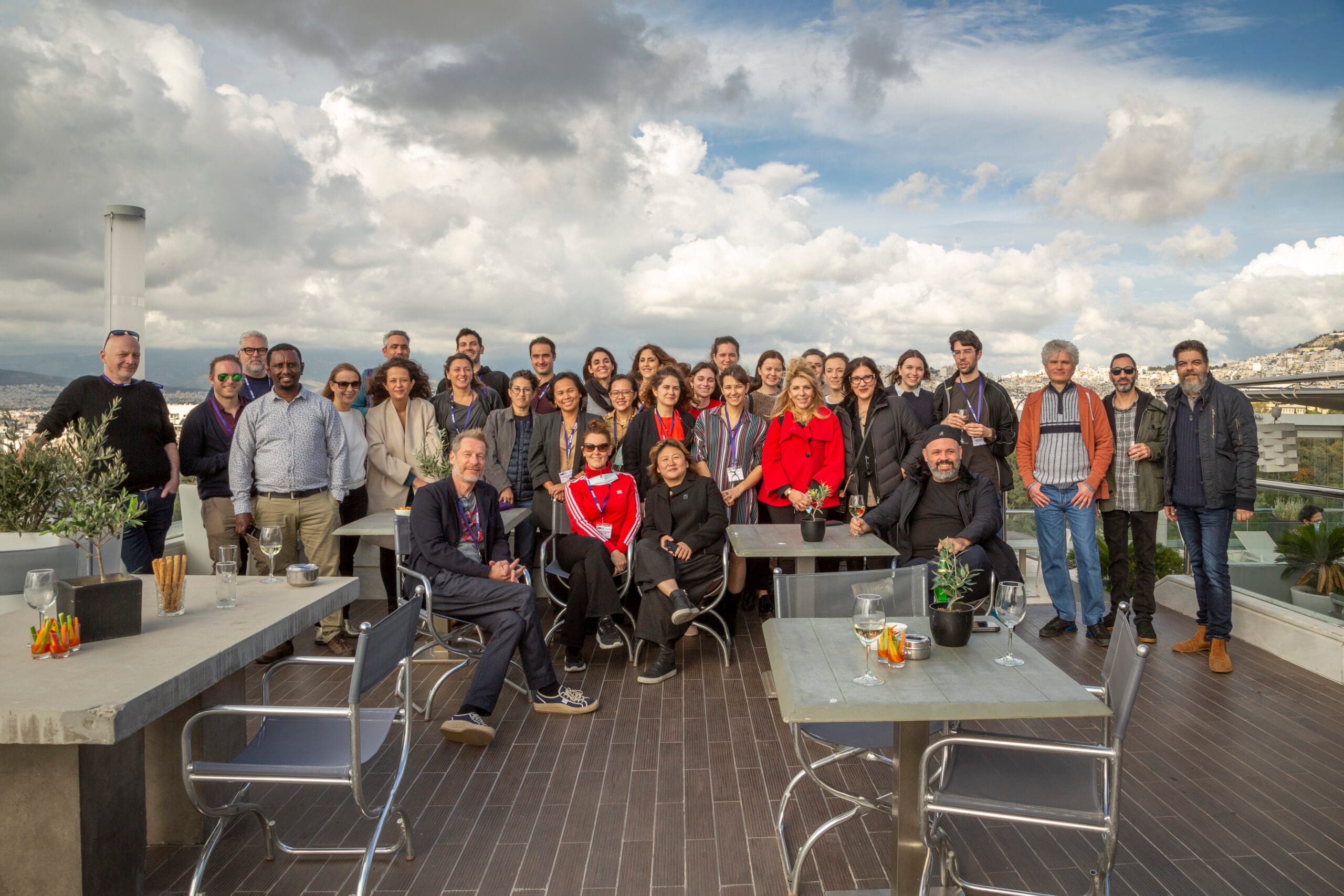
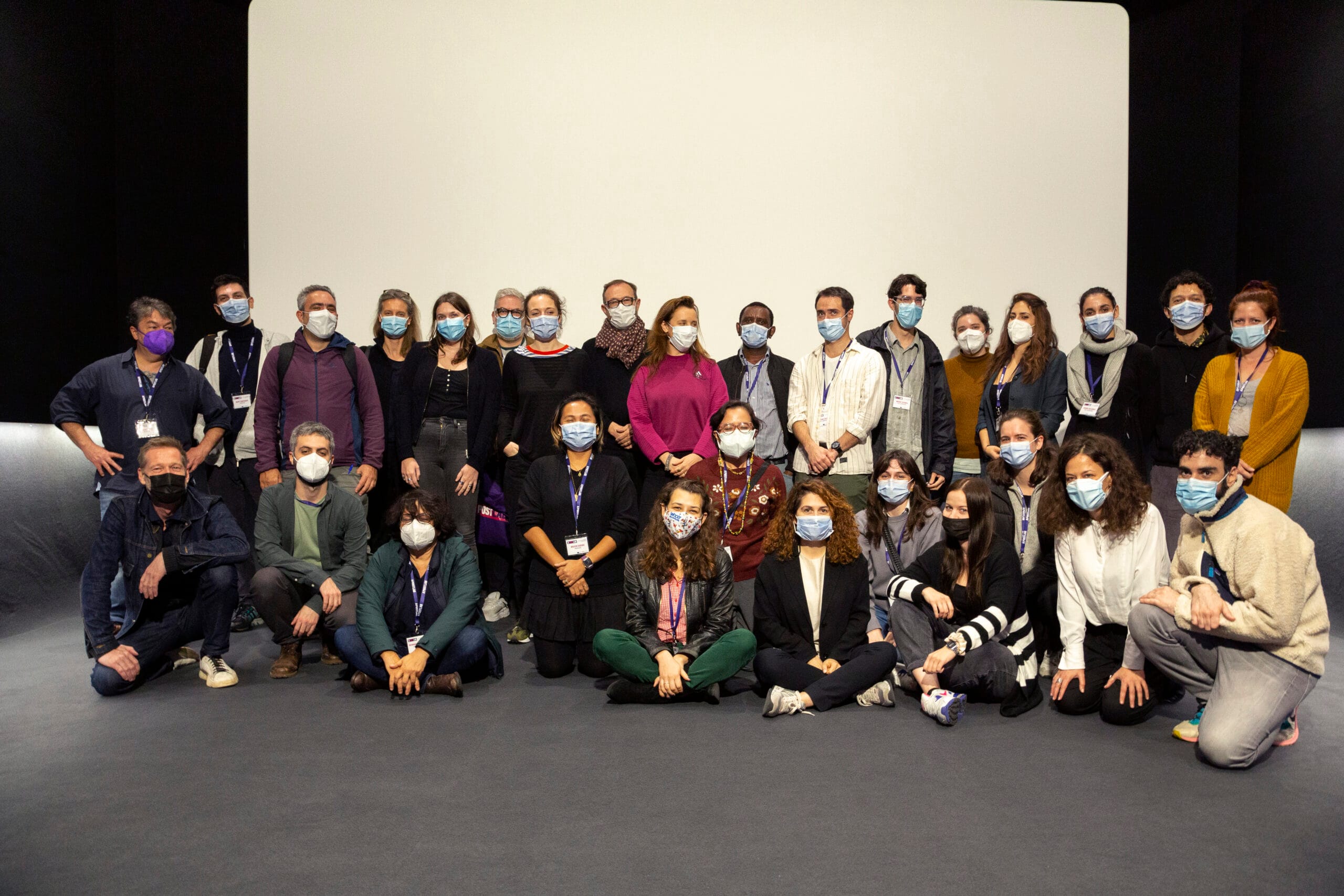
Producer, Participant of APostLab Annual Post Production workshop in 2021 in Athens
We’re curious, what made you want to join APostLab?
The film I was producing required quite specific visual effects, but we couldn’t budget for them. I joined APostLab to find out if there were ways around it. What I learned was that we always have to match what we want creatively with what we can actually afford. The only way to do that is by running tests.
After APostLab, I had the tools to go back to my director and explain: “If you want this ending scene, it will cost this much, and we simply don’t have the budget.” For three years he resisted, but after the workshop—after doing storyboards and consulting with the DP, VFX, and SFX teams—he finally agreed. That clarity was a huge win.
I first applied to APostLab in 2020 and didn’t get in. I applied again in 2021 and was accepted. I’m very glad I tried again.
Can you share a favourite moment from the workshop in Athens, outside of the technical learning?
One evening we walked through a park after dinner and found a band playing while people were dancing. It was beautiful. And of course, the food in Athens was incredible.
Another highlight was connecting with a post supervisor who drew a complete workflow for my film. I couldn’t hire her because of funding restrictions, but with her permission I gave the diagram to my own post supervisor—and that became our plan.
What do you think makes a strong collaboration between a producer and a post supervisor?
Post supervisors are also producers, but with more technical expertise of the post production workflow. Post-production evolves so quickly that we need someone who’s always up to date with new workflows, color spaces, and systems.
A post supervisor should be hired very early. They’re the producer’s technical partner—the springboard for how to execute the creative vision. If you know how you want to finish the film, you know how to shoot it and how to prepare it. Post really starts everything.
How is the role of post supervisor viewed in Indonesia?
It’s becoming more important, but still misunderstood. Many producers only hire a post supervisor just before production, to handle data and run post. But in my opinion, they should come in much earlier.
We also have a shortage of good post supervisors in Indonesia—maybe five or six who really understand workflows. We need more, and we need to train people. That’s why I’d love to see something like APostLab for Southeast Asia. Our challenges are different from Europe’s, and a regional program would be very useful.
Is there anything you’d like to add about APostLab or your experience?
Yes—if you really want to grow as a producer, don’t just join producing workshops. Join other kinds, like script development or post-production workshops. APostLab was eye-opening and incredibly helpful. It shaped the way I approach all my future projects.
Interview conducted by Monse Higareda Patrón (September, 2025).
