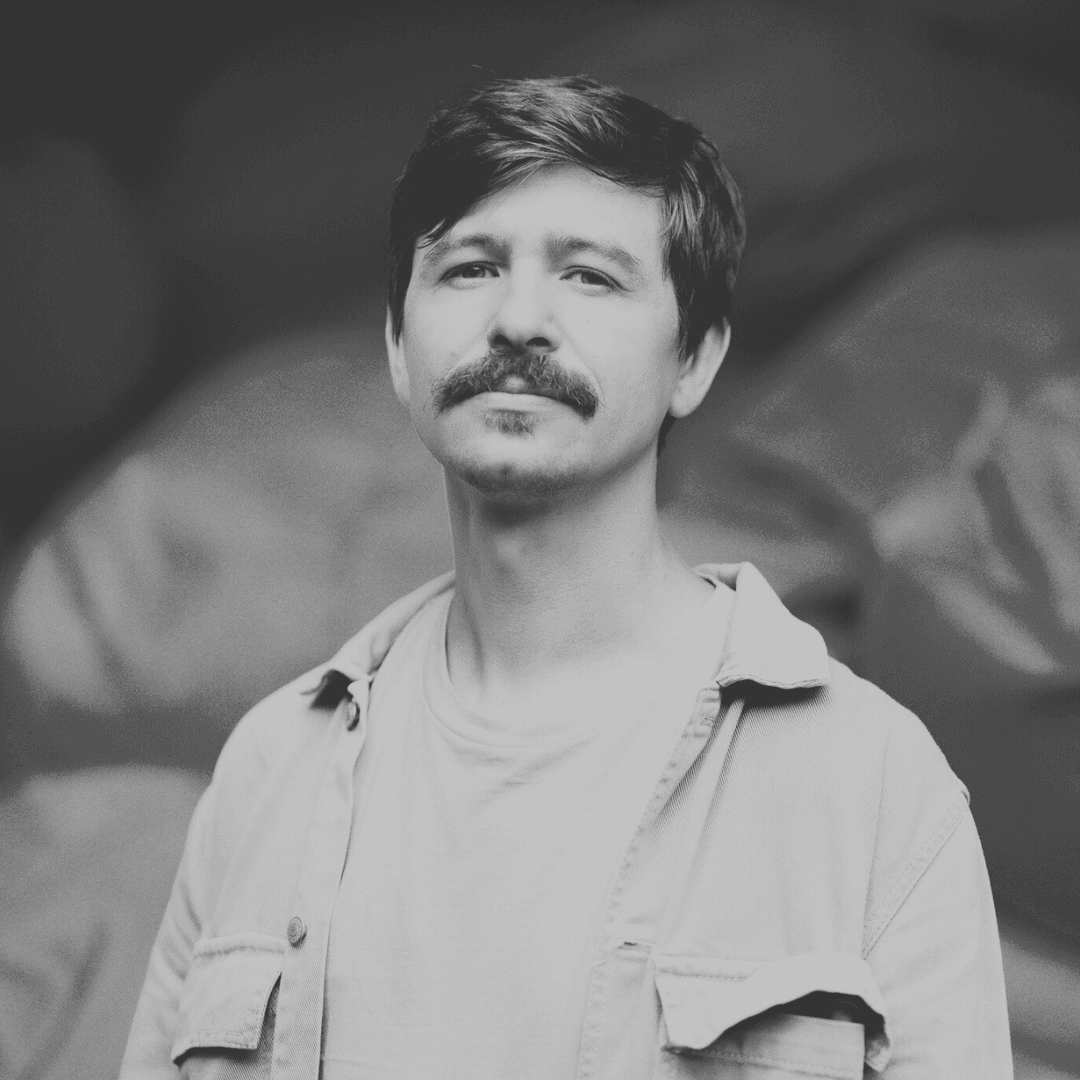
Gabi Basalici Post Supervisor, Participant of the APostLab Annual Workshop in Luxembourg in 2023, and the Mentorship Program in 2024.
You joined both the APostLab annual workshop in Luxembourg and later the mentorship program. What made you want to participate?
Gabi: I have a background in film editing, so the transition for me was easy. At some point I found myself working as a post supervisor on a feature film. I realized there were gaps in my knowledge, and I wanted to learn more. One of the producers I work with had been to APostLab in Romania and recommended it. I joined in Luxembourg in 2023, and because I really enjoyed the mentors and the program, I later applied for the mentorship programme as well.
What are you working on these days?
Gabi: I’m still between film editing and post supervising. I work more as an editor on short-form projects, and as a post supervisor on long-form. Recently, we finished Dinți de lapte (Milk Teeth), the project I worked on during the mentorship. It premiered in Venice this year and also screened in Toronto. APostLab is in the credits, which makes me very proud.
What was the main difference between the annual workshop and the mentorship program?
Gabi: The workshop was more about group presentations and case studies, while the mentorship was directly applied to my own project. Each mentee had to present progress and challenges, and we received very concrete feedback. For me, it was complementary: the workshop provided a big-picture view of the post-production process—while the mentorship helped me refine how I manage timelines, workflows, and communication across the whole team.
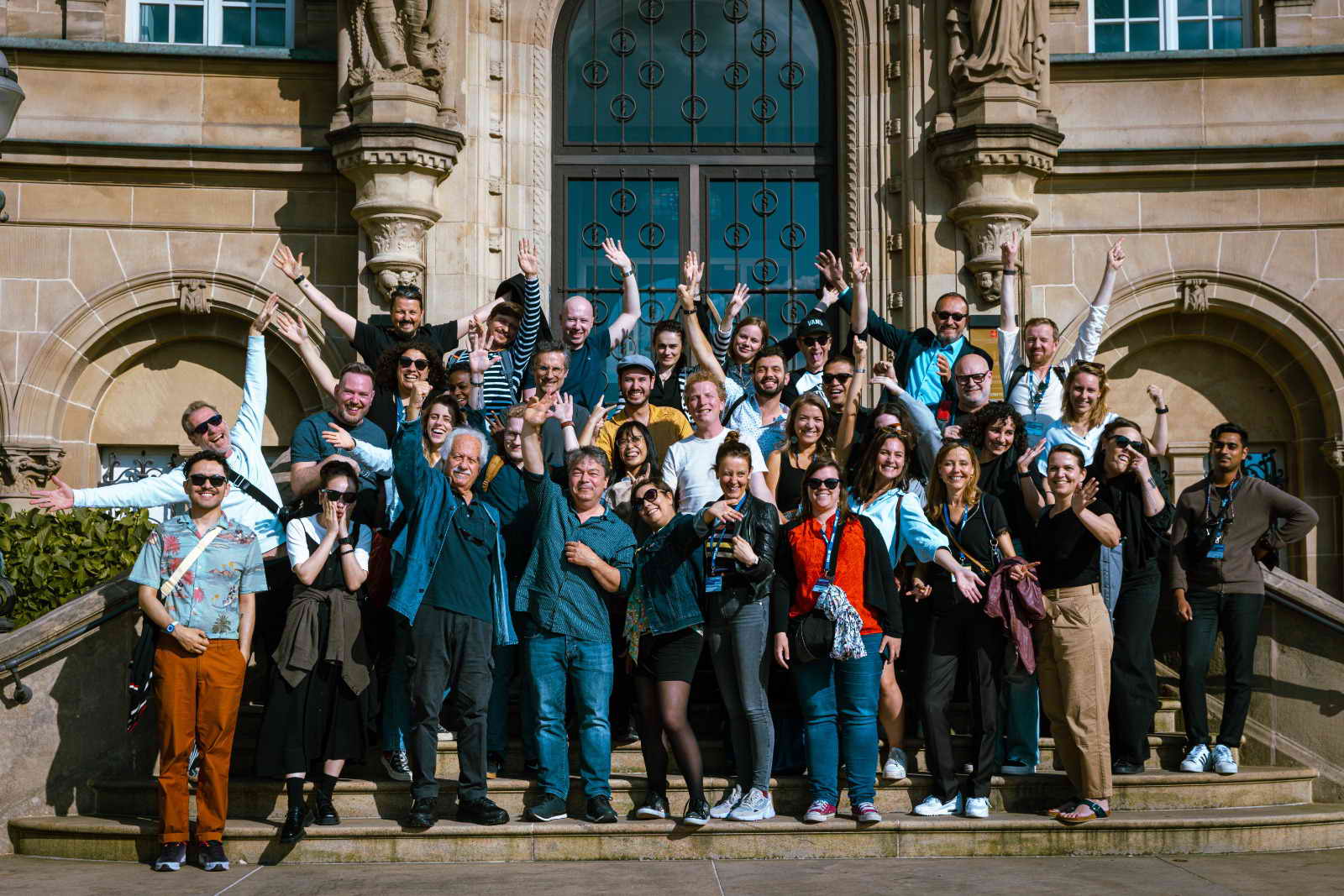
Looking back at the Luxembourg workshop, is there a moment that really stayed with you?
Gabi: I remember the case studies vividly. For example, Planet X presented their work, and Nina shared her project about Freddie Mercury. I loved the sessions that weren’t abstract but applied directly to projects. Those were moments where I thought, “How would I implement this in my own work?”
Do you have any advice for people interested in becoming a post supervisor or joining the mentorship program?
Gabi: For editors who don’t see themselves sitting at a desk long-term, post supervising is a great option. Editing is more isolated, and you’re usually linked to a single project for an intense period of time, but as a post supervisor you start to network and communicate with many more people, often juggling several projects at once. And one very practical piece of advice: even when you’re buried in deliverables and credits, at some point they’re going to end, so it’s not the end of the world.
Anything you’d like to add?
Gabi: I want to thank the APostLab team, because they are building a real community with APostLab. It’s not easy—between funding, scheduling, and logistics, but they’ve made something very meaningful.
Interview conducted by Monse Higareda Patrón (September, 2025).
